The Athletics baseball club serves as a timely reminder that IP fundamentals still matter in a changing landscape.
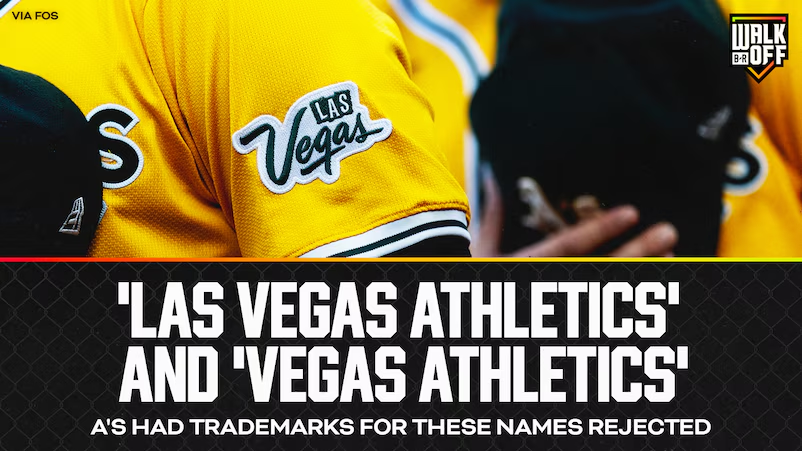
The USPTO recently refused trademark applications for "Las Vegas Athletics" and "Vegas Athletics" ahead of the team's planned relocation to the Las Vegas Strip—finding the marks primarily geographically descriptive and lacking distinctiveness for registration. While the team's longstanding "Oakland Athletics" mark offered some precedent, it didn't carry over. The Office emphasized each new variation faces independent scrutiny.
Why should IP lawyers advising AI companies take note? This mirrors core challenges in AI and emerging tech IP:
Prior Rights Don't Automatically Carry Over to New Variations
The A's reliance on prior "Athletics" registrations in other cities did not help secure the new "Las Vegas Athletics" marks—the USPTO evaluates each mark independently, and prior approvals don't guarantee new ones. In patents, a similar dynamic applies: An inventor's own prior patents or publications do not support patentability, but rather can be prior art that blocks or limits subsequent filings on minor variations, obvious extensions, or predictable applications of the original innovation. This can be especially acute in fast-moving AI fields, where early broad claims on a foundational model can inadvertently bar patentability of follow-on inventions lacking non-obvious technical advances.
Shifting Markets or Applications Can Reset the Analysis
Repurposing an existing AI tool for a new domain (e.g., from chatbots for retail support to medical diagnostics) requires fresh legal evaluation, including patent eligibility under evolving precedents and potentially broader prior art concerns.
Timing and Use Matter
Secondary meaning for "Las Vegas Athletics" hasn't been established as the A's move to Las Vegas is not expected until 2028. Similarly in AI: Patent applications for emerging tech can face lack of enablement or written description challenges—early or speculative disclosures may be rejected if too high-level without sufficient technical details or examples.
Different asset, different scrutiny. Whether it's trademarks or patents—as in investing—prior performance doesn't guarantee future results in an evolving AI and IP landscape.
Read more about this in Bleacher Report from Adam Wells: